Mastering Stainless Steel: Cooking Techniques
Unlock the full potential of your Viking Cookware with professional techniques used by chefs worldwide. Learn how to cook like a pro and achieve restaurant-quality results at home.
Why Stainless Steel Requires Different Techniques
Unlike nonstick cookware, stainless steel requires specific techniques to prevent sticking and achieve perfect results. But once mastered, stainless steel offers unparalleled benefits: superior searing, beautiful fond development for sauces, and the ability to use metal utensils without worry.
Viking Cookware's superior heat conductivity and even heat distribution make it the perfect choice for professional cooking techniques. The 5-ply construction ensures consistent temperatures across the entire cooking surface, eliminating hot spots that cause uneven cooking.
This guide will teach you the essential techniques to master your stainless steel cookware and elevate your cooking to the next level.
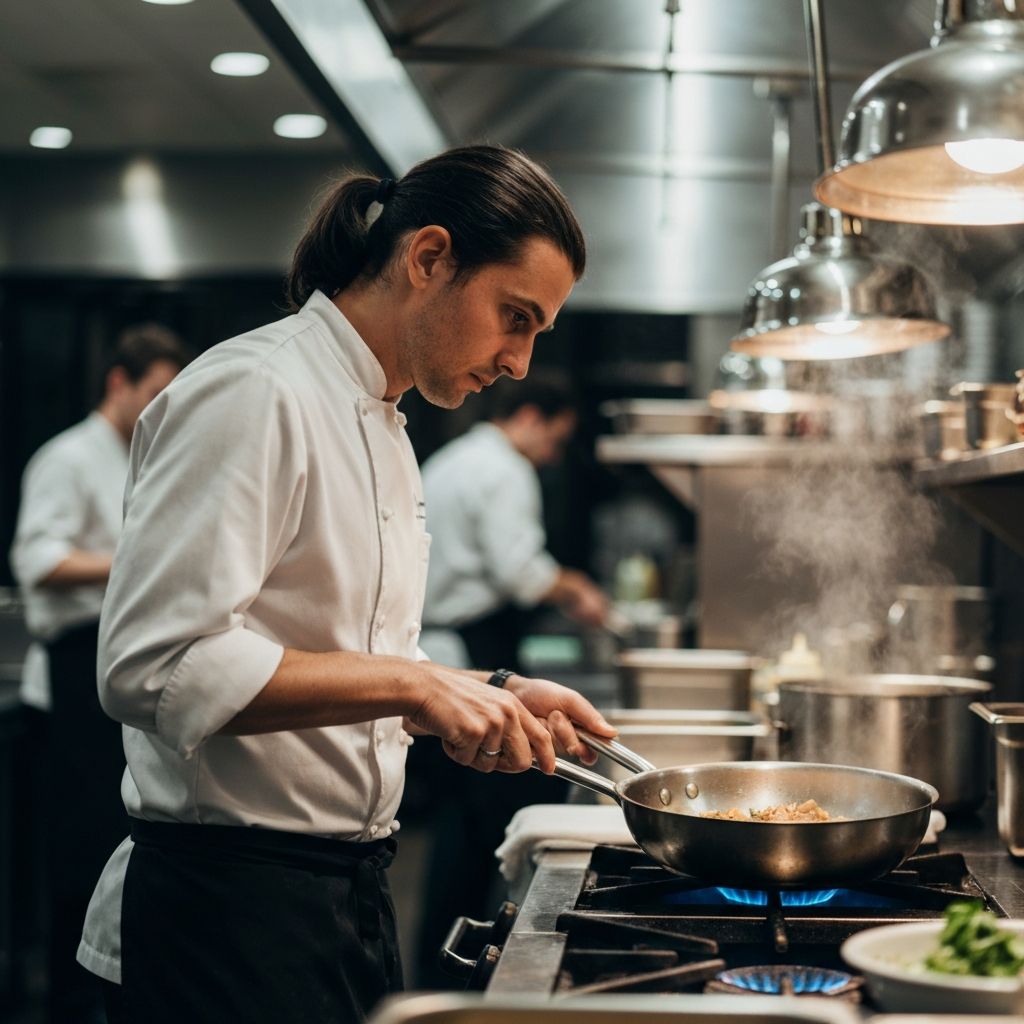
The Water Drop Test (Leidenfrost Effect)
The Science Behind Non-Stick Stainless Steel
The secret to cooking on stainless steel without sticking is the Leidenfrost Effect - a phenomenon where a liquid, when in contact with a surface significantly hotter than its boiling point, produces a vapor layer that keeps the liquid from boiling rapidly. This vapor layer creates a temporary non-stick surface.
How to Perform the Water Drop Test
- 1.Heat the pan: Place your Viking pan on medium to medium-high heat for 2-3 minutes. The pan should be completely dry.
- 2.Test with water: Flick a few drops of water onto the pan surface. If the water sizzles and evaporates immediately, the pan is too cold. If the water forms a ball that rolls around the pan, you've achieved the Leidenfrost point.
- 3.Add oil: Once the pan is at the correct temperature, add your cooking oil. The oil should shimmer and flow easily across the surface.
- 4.Cook immediately: Add your food right away while the pan is at the optimal temperature. The food should sizzle on contact.
✓ Perfect Temperature
- • Water forms a ball that rolls
- • Oil shimmers but doesn't smoke
- • Food sizzles immediately
- • Even browning occurs
✗ Wrong Temperature
- • Water evaporates instantly (too hot)
- • Water just sits there (too cold)
- • Oil is smoking (too hot)
- • Food sticks to surface
Temperature Control with Viking Cookware
Lower Heat, Better Results
One of the most important things to understand about premium cookware like Viking is that it requires lower heat settings than cheap pans. The superior thermal conductivity of 5-ply stainless steel means heat is distributed quickly and evenly across the entire cooking surface.
Low Heat
Settings 1-3
- • Simmering sauces
- • Melting butter/chocolate
- • Warming foods
- • Delicate reductions
Medium Heat
Settings 4-6
- • Sautéing vegetables
- • Pan-frying
- • Making omelets
- • Most everyday cooking
High Heat
Settings 7-8
- • Searing steaks
- • Boiling water
- • Stir-frying
- • Quick browning
⚠️ Pro Tip: Preheat Gradually
Always preheat your Viking pan gradually over medium heat for 2-3 minutes. High-quality stainless steel retains heat exceptionally well, so jumping straight to high heat can cause warping and damage to your cookware. The gradual preheat also ensures even heat distribution across the entire surface.
Deglazing: The Secret to Restaurant-Quality Sauces
What is Deglazing?
Deglazing is a culinary technique where you add liquid (wine, stock, or water) to a hot pan to loosen and dissolve the browned bits of food (called "fond") stuck to the bottom. This fond is pure flavor gold and forms the base of incredible pan sauces.
This technique only works properly with stainless steel cookware. Nonstick pans don't develop fond because nothing sticks to them - which means you miss out on all that flavor!
Why Stainless Steel is Essential for Deglazing
- ✓ Creates flavorful fond (browned bits)
- ✓ Withstands high heat without damage
- ✓ Safe for acidic ingredients (wine, vinegar)
- ✓ Forms the foundation of French cooking
How to Deglaze Perfectly
- 1.Remove the protein
After searing your meat, remove it from the pan and set it aside to rest.
- 2.Pour off excess fat
Leave about 1-2 tablespoons of fat in the pan. Keep the heat on medium.
- 3.Add liquid
Add ½ to 1 cup of wine, stock, or water. The liquid should sizzle immediately.
- 4.Scrape the fond
Use a wooden spoon to scrape up all the browned bits from the bottom of the pan.
- 5.Reduce and finish
Simmer until the liquid reduces by half. Add butter or cream for a luxurious finish.
Classic Deglazing Liquids
Red Wine
Perfect for beef, lamb, and rich sauces
White Wine
Ideal for chicken, fish, and lighter dishes
Stock/Broth
Versatile choice for any protein or sauce
Citrus Juice
Bright flavor for seafood and vegetables
Master These Essential Recipes
Put your new skills to the test with these restaurant-quality recipes
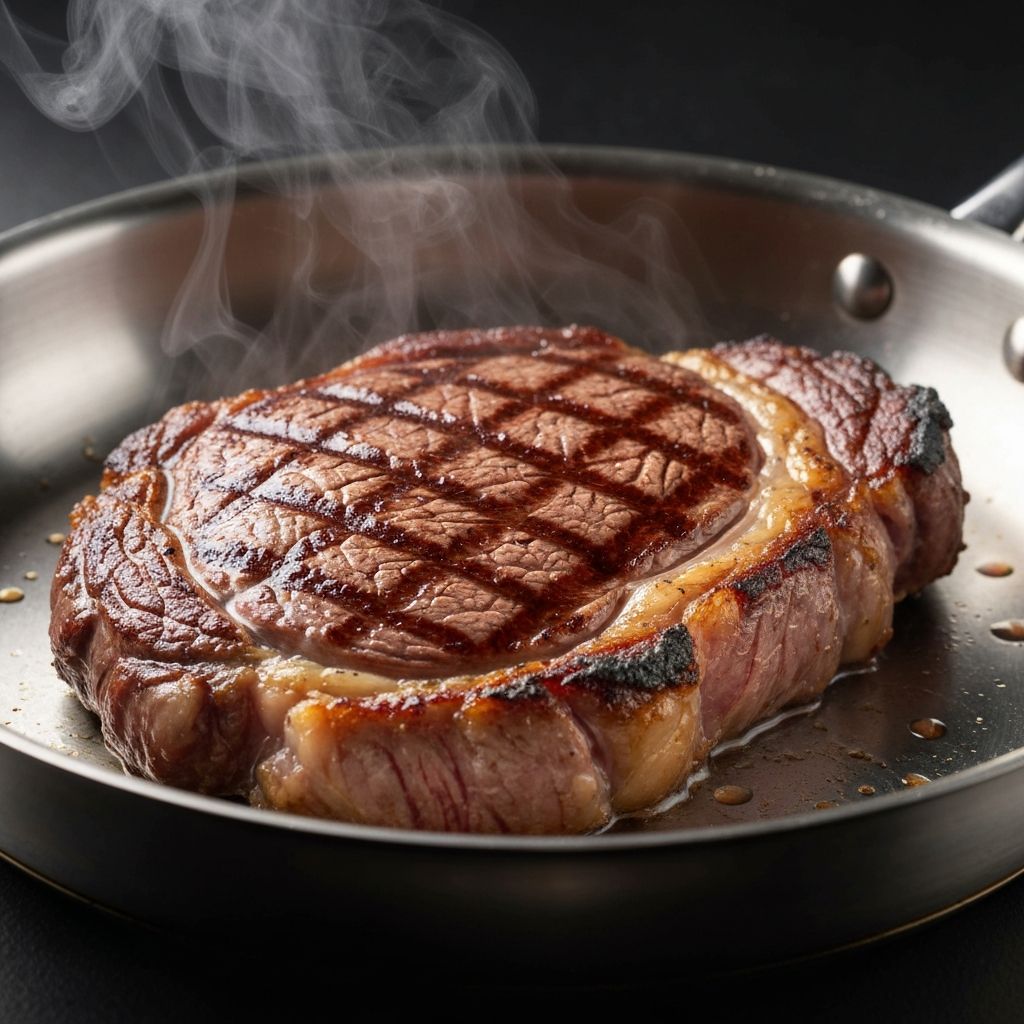
The Perfect Seared Steak
Master the art of the perfect crust with this foolproof technique using your Viking stainless steel pan.
Ingredients:
- • 1 ribeye or NY strip steak (1.5" thick)
- • 2 tbsp high-smoke-point oil (avocado or grapeseed)
- • Kosher salt and freshly ground black pepper
- • 2 tbsp butter
- • 2 garlic cloves, smashed
- • 2 sprigs fresh thyme
Instructions:
- 1. Remove steak from fridge 30 minutes before cooking. Pat completely dry.
- 2. Season generously with salt and pepper on both sides.
- 3. Preheat your Viking pan over medium-high heat for 3 minutes.
- 4. Perform the water drop test to ensure proper temperature.
- 5. Add oil and swirl to coat. Add steak immediately - it should sizzle loudly.
- 6. Sear for 3-4 minutes without moving. The steak will release when it's ready.
- 7. Flip and sear another 3-4 minutes. Add butter, garlic, and thyme.
- 8. Baste the steak with melted butter for 1 minute.
- 9. Remove and rest for 5-10 minutes before slicing.
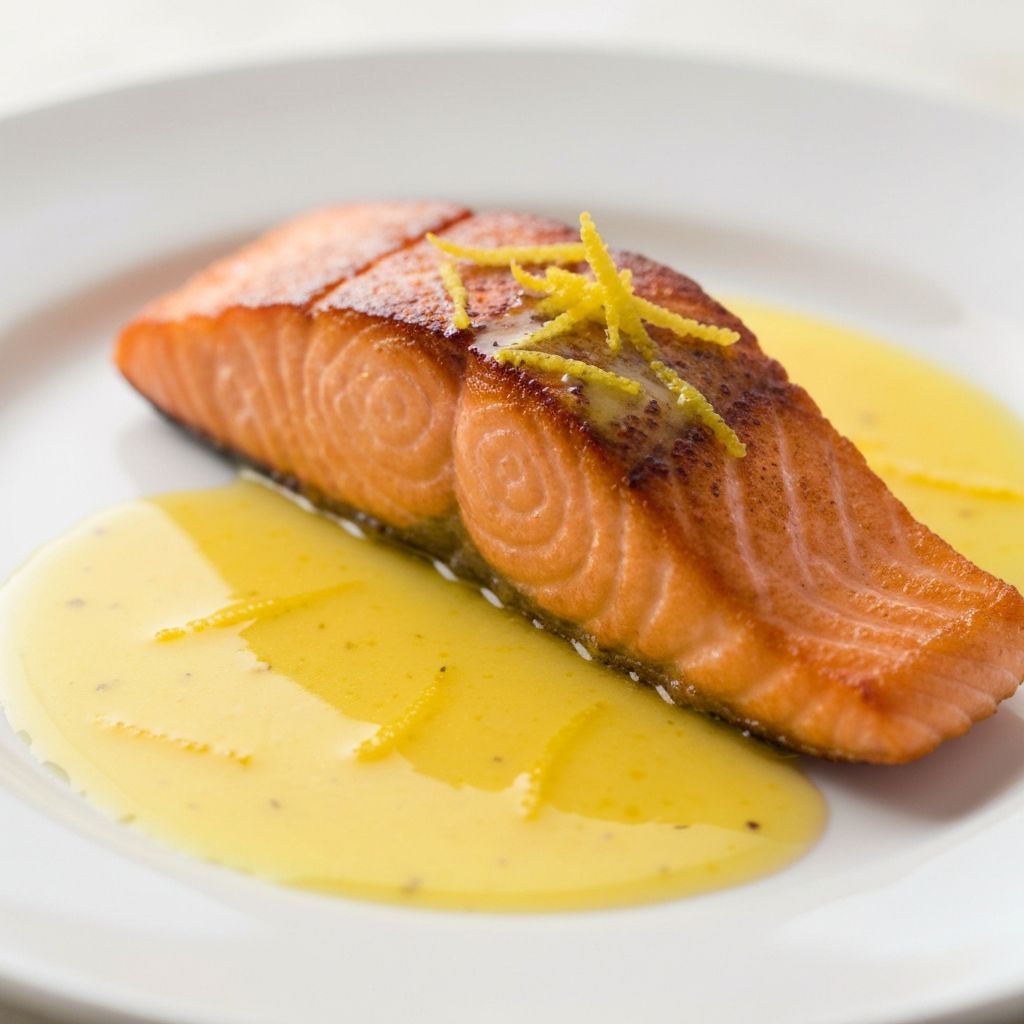
Pan-Seared Salmon with Lemon Butter Sauce
Crispy skin and a luxurious pan sauce make this dish restaurant-worthy.
Ingredients:
- • 2 salmon fillets (6 oz each, skin-on)
- • 2 tbsp olive oil
- • Salt and pepper to taste
- • 3 tbsp butter
- • Juice of 1 lemon
- • 2 garlic cloves, minced
- • Fresh parsley, chopped
Instructions:
- 1. Pat salmon dry and season with salt and pepper.
- 2. Preheat Viking pan over medium heat for 2-3 minutes.
- 3. Add oil, then place salmon skin-side down.
- 4. Press gently with spatula for 10 seconds to prevent curling.
- 5. Cook 4-5 minutes until skin is crispy. Flip and cook 2-3 minutes more.
- 6. Remove salmon and deglaze pan with lemon juice.
- 7. Add garlic, cook 30 seconds, then swirl in butter.
- 8. Pour sauce over salmon and garnish with parsley.
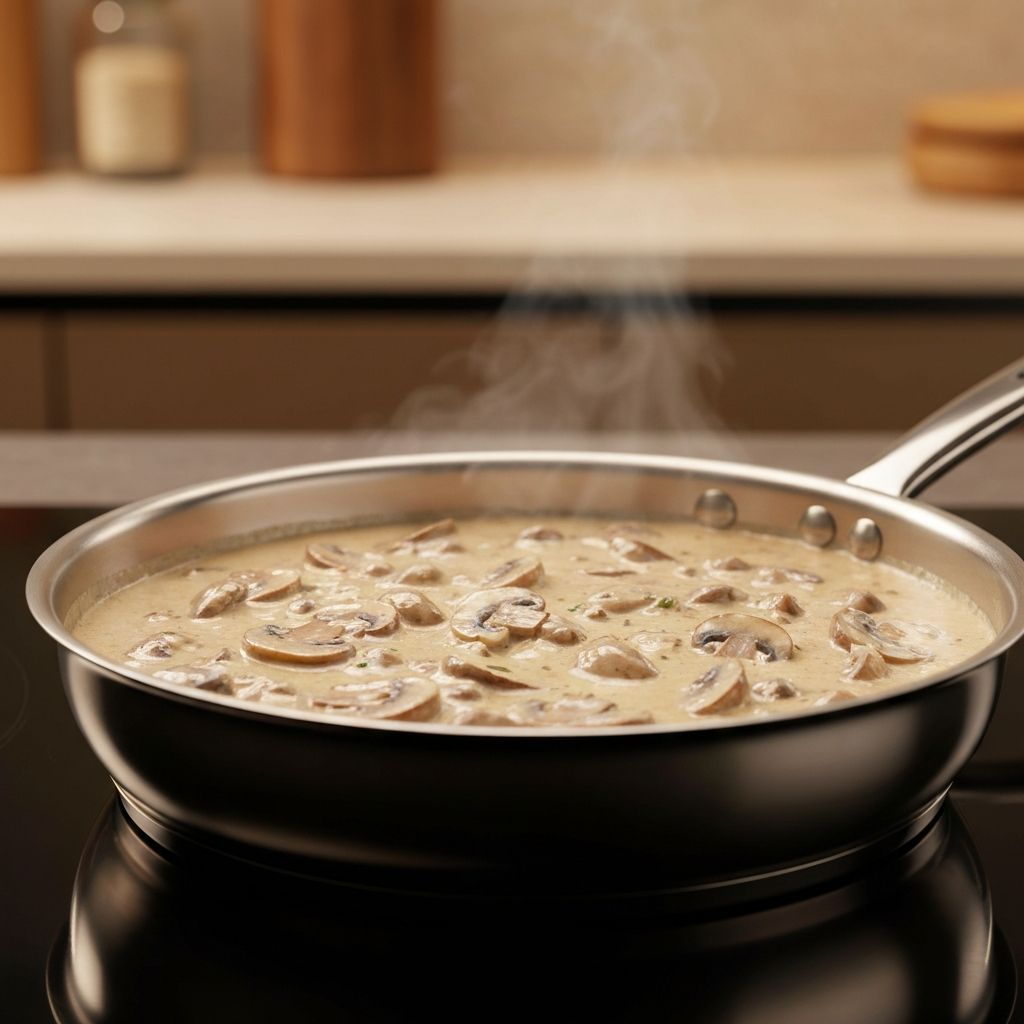
Classic Mushroom Pan Sauce
A versatile sauce that elevates any protein, showcasing the power of deglazing.
Ingredients:
- • 8 oz mushrooms, sliced
- • 2 shallots, minced
- • 1 cup beef or chicken stock
- • ½ cup red or white wine
- • 3 tbsp butter, divided
- • 2 tbsp heavy cream (optional)
- • Fresh thyme
Instructions:
- 1. After cooking your protein, remove it from the pan.
- 2. Add 1 tbsp butter and sauté mushrooms until golden (5-6 minutes).
- 3. Add shallots and thyme, cook 2 minutes until fragrant.
- 4. Deglaze with wine, scraping up all the fond.
- 5. Add stock and simmer until reduced by half (8-10 minutes).
- 6. Swirl in remaining butter and cream for richness.
- 7. Season with salt and pepper, pour over your protein.
Quick Reference Guide
Essential Do's
- ✓ Always preheat gradually for 2-3 minutes
- ✓ Perform the water drop test before cooking
- ✓ Pat food completely dry before adding to pan
- ✓ Use medium heat for most cooking tasks
- ✓ Let food develop a crust before flipping
- ✓ Deglaze to create amazing pan sauces
- ✓ Clean while pan is still warm (not hot)
Essential Don'ts
- ✗ Don't use high heat unnecessarily
- ✗ Don't add food to a cold pan
- ✗ Don't overcrowd the pan
- ✗ Don't flip food too early
- ✗ Don't use cooking spray (builds up residue)
- ✗ Don't put hot pan in cold water (warping)
- ✗ Don't use metal scouring pads (scratches)
Ready to Master Your Viking Cookware?
Experience the difference that professional-grade stainless steel makes in your cooking. Explore our complete collection of Viking Cookware designed for serious home chefs.